Homes progress. Households include an induction range or a heat pump. Someone purchases an EV. A yard workshop grows from a hobby to a small business. Then the lights dim when the dryer kicks on, or a breaker journeys whenever the area heater and the microwave run together. All of these stories meet at the exact same point: the electrical panel. Understanding when to update, why it matters, and how to do it well can avoid annoyance trips, secure equipment, and get rid of threats that are hard to see till something goes wrong.
What an electrical panel really does
The electrical panel is the circulation brain of a structure. Power from the energy or a primary disconnect arrive at bus bars inside the cabinet. Individual circuits branch off through breakers sized for the wire they protect. The panel's task is not just benefit. It is a security device. Breakers trip under overloads and short circuits to secure circuitry insulation from overheating. The neutral and ground bars terminate return courses and bonding. The enclosure itself is noted to include faults and heat.
Two numbers dominate panel discussions. The service size in amperes describes the ranking of the whole system, generally 60, 100, 125, 150, 200, or 400 electrical panel amps for residential properties. Then there is the panelboard ranking which need to be equal to or higher than the service. Numerous crowning achievement 100 or 200 amp services. For modern-day loads like EV charging, electrical heat, medical spas, and accessory residence units, 200 amp service is fast ending up being the baseline.
The peaceful signals that your panel is due for replacement
Most people think an upgrade only matters when the lights flicker or breakers continuously trip. Those are apparent tells, however the peaceful signs are just as essential. I have actually opened panels where the door looked tidy, yet inside the neutrals shared terminals, or aluminum branch conductors had wandered loose. The devices itself, not just the symptoms, drives the decision.
Consider these typical triggers for a panel upgrade:
- Repeated tripping that correlates with normal usage, especially when two or 3 high-draw appliances perform at once. An existing 60 or 100 amp service in an all-electric or future all-electric home, including heatpump, induction cooktop, or EV charging. Obsolete or remembered panel brands and breaker types understood for failure to journey, getting too hot, or bad bus connections. Evidence of overheating like tarnished insulation, brittle breakers that wiggle on the bus, or a moldy burnt odor when the cover is removed. Remodeling that adds square video, a rental suite, or significant fixed-in-place devices such as a sauna or a shop-grade air compressor.
I have had homeowners ask whether a single annoyance journey indicates the panel is bad. Typically not. A single journey can be a toaster, a vacuum beginning existing, or a tool with an irritating inrush. Repeated trips with a pattern tell the story. If the vacuum journeys the very same bed room breaker each time, chances are the circuit is overwhelmed with space heaters or home entertainment equipment, not that the electrical panel failed. An excellent assessment distinguishes circuit-level problems from systemic limits.
The diplomatic immunities that deserve extra attention
There are understood problem panels, and they linger since they frequently keep working right up till they do not. Federal Pacific Electric Stab-Lok breakers have a long history of failing to journey dependably under overload. Particular Zinsco and Sylvania panels experience bus corrosion and poor clip stress. I still see these in 1960s and 1970s houses. If you have one, replacement belongs on your list, even if you have not observed problems yet. Insurers are increasingly careful of them, and purchasers frequently negotiate replacement throughout a sale.
Another special case is any panel showing aluminum branch circuits from the 1960s to early 1970s. Aluminum feeders prevail and typically great when terminations are rated and preserved. Branch circuits on older aluminum, particularly terminated under gadgets not noted for AL conductors, can loosen gradually. A panel upgrade alone will not fix branch electrical wiring, but it is a natural minute to correct terminations, include authorized adapters, or prepare a rewiring strategy.
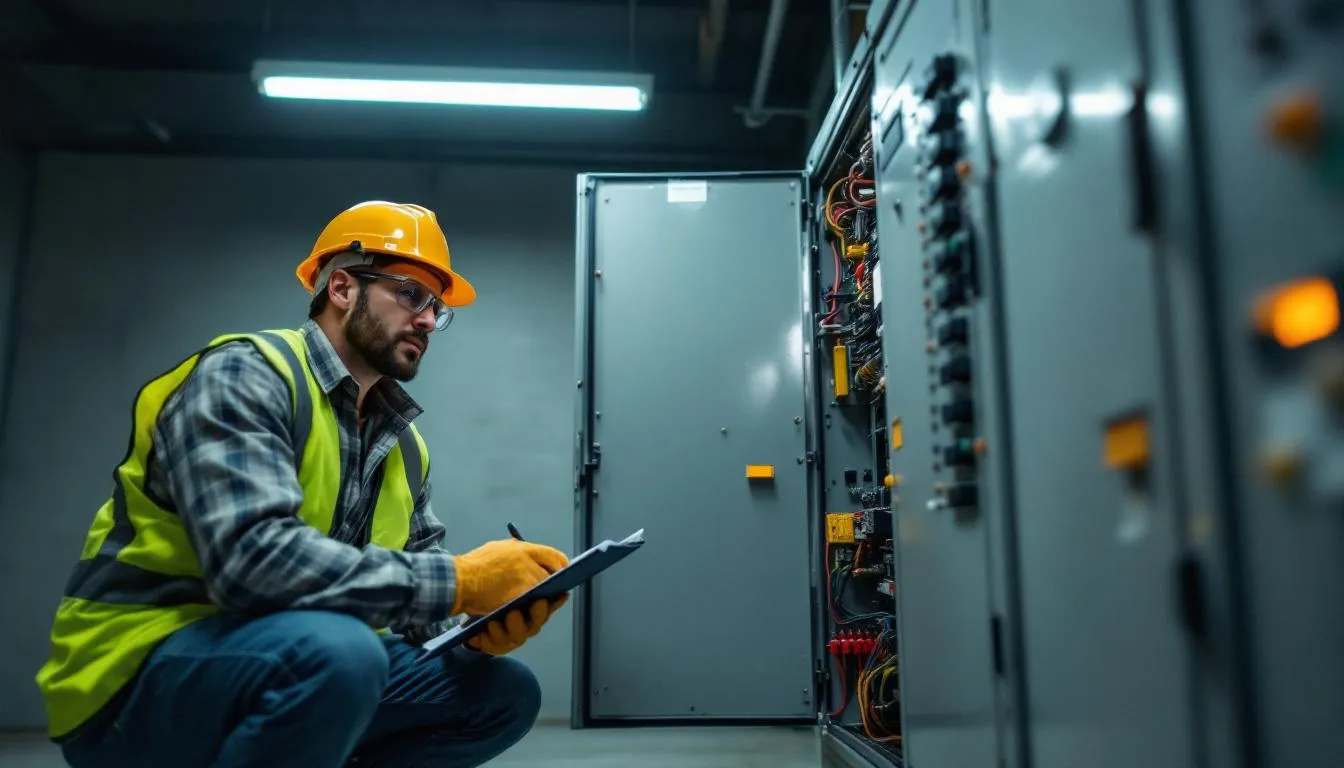
Finally, take a look at homes that grew organically without a plan. Multiple subpanels shoehorned into closets. Laundry rooms that ended up being small electrical spaces. Romex getting in through knockouts without bushings. Panels embeded in bathrooms or other restricted locations. These are code and safety issues first, capability problems second.
Load computation, not guesswork
Upgrading on inklings can lead to overspending or undersizing. The best course starts with a load estimation. Electricians utilize a demand-based technique constant with the National Electrical Code, applying demand factors to basic lighting loads, small device circuits, fixed home appliances, HEATING AND COOLING, and EV charging. A real-world example highlights why this matters.
Say a 1,900 square foot home has gas heat and water, however plans to add a 48 amp EV battery charger, an induction variety, and a mini-split for the garage. Existing service is 100 amps. A quick back-of-envelope may suggest 200 amps. An appropriate calc could reveal that the real diversified load with the new devices lands around 120 to 140 amps at maximum demand. That still supports a 200 amp upgrade however frames the margin properly. It also guides breaker sizing and wire runs for the EV charger.
Conversely, consider an all-electric home with a 9 kW heat pump, a 10 kW backup heat strip, a 50 amp range, a 30 amp dryer, and 2 EV chargers that could run at the same time on weekend nights. Even with demand factors, these loads point towards either load management or a 320 amp (typically called 400 amp class) service with dual meter positions. The computation assists choose between higher service versus wise sharing.
Why updating enhances more than capacity
Capacity gets the attention, but a modern-day electrical panel upgrade improves a number of less apparent aspects.
- Arc and ground fault defense broadens. New breakers offer mix AFCI and GFCI in more setups. Kitchens, laundry locations, and indoor home gain from enhanced defense versus parallel arcs and ground faults that old panels might not address. Fault current rankings and temperature level efficiency improve. Old bus designs and breaker footprints have limitations that modern-day listed assemblies solved. Much better fault ratings mean better durability if a tool or cable shorts. System company and future-proofing get simpler. A larger cabinet with more spaces avoids tandem breakers stuffed into restrictions. Clean labeling and dedicated home-run circuits lower repairing later. Neutral and grounding plans end up being code-compliant. In service devices, neutrals bond to the enclosure and grounds. In subpanels, they need to be separated. Lots of legacy setups get this wrong. Upgrades fix that, along with appropriate grounding electrode connections and bonding jumpers. Compatibility with energy systems increases. If you plan solar, battery storage, or load-shedding gear, a contemporary primary panel with an available bus rating and area for a generation meter or a feeder tap is the foundation.
Common challenges that alter scope and cost
People frequently request for a single number. The reality is that panel upgrades vary from straightforward to made complex. A simple swap in an accessible garage, with sufficient service conductor slack and a cooperative energy, can be a one-day job. The authorization, inspection, and coordination are still essential, but the manual labor is clear. Other tasks grow since of surprise constraints.
Meter-main combinations versus interior panels matter. In regions where the service detach need to be outdoors, updating a meter-main can trigger stucco patching, channel reroutes, and even energy mast replacement. Service conductors may be undersized, or the mast does not have the height clearance above a roofing. As soon as opened, deterioration on the service lugs may force more replacement approximately the weatherhead.
Inter-system bonding terminations frequently do not exist on older homes. Modern guidelines require bonding points for interaction and low-voltage systems. Including them is simple, but it is another line item.
Clearance and working area can force moving. Panels need a minimum working depth and width, and specific spaces are off-limits. I have been called to "replace a panel" mounted inside a clothing closet. The ideal repair was to move to the garage back-to-back, patch the closet wall, and extend circuits. That is a different project than a like-for-like swap.
On older masonry or lath-and-plaster walls, fastening a new larger cabinet frequently reveals that the wall can decline standard anchors without falling apart. Plywood backer boards and mindful framing repairs might be needed. Expect an electrical expert who flags this before the day of installation to be the one who finishes on time.
The permit and utility dance
An electrical panel upgrade is not simply a contractor in a truck. You will require a license. In most jurisdictions, a service upgrade triggers an assessment by the authority having jurisdiction and a coordination appointment with the energy to disconnect and reconnect power. Scheduling can add days. Experienced electrical contractors anticipate the series: pre-approval of the riser diagram, examination the same day as the work, and an utility reconnect window in the afternoon.
For overhead services, the energy's responsibilities and your electrical expert's duties meet at the weatherhead or service point. For underground services, the demarcation may be at the handhole or meter base. Sometimes, the utility needs a brand-new meter base or a various meter location. The previously this is sorted out, the smaller sized the surprise.
If your upgrade consists of a jump in amperage, the energy might assess transformer capacity and service drop size. Periodically, the area transformer can not support multiple upgrades without a change. That does not mean you can not continue, however it does impact timeline and might include a cost share depending upon the energy's policies.
What a great upgrade day looks like
I encourage homeowners to prepare for a complete day without power. Charge phones, empty the ice maker, and consider a cooler for the fridge contents. The crew needs to get here with a detailed circuit map, or they make one as they open the existing panel. Circuits get tagged, conductors drew back, and the old cabinet eliminated. The new cabinet installs plumb and level, with cable entries dressed through noted connectors, bushings set up where required, and conductors landed by circuit with appropriate torque.
Bonding and grounding get special attention. If the home does not have two ground rods, the electrician drives them and bonds them with continuous wire. If there is a metal water service, the bond jumper gets installed within the required range of the entry point. In a split system with a detached garage or subpanels, the neutral stays isolated at those downstream panels. That is among the most typical errors in do it yourself or handyman work.
Breakers are sized to the wire, not to the device nameplate dream list. If a range circuit utilizes 8 AWG copper, the breaker matches the conductor, even if the device claims a larger breaker is acceptable. New AFCI and GFCI breakers go in where code requires them or where the homeowner selects higher security. The labeling is clear and specific. "Kitchen area little home appliances west counter" beats "kitchen area." A neat panel today saves hours later.
The inspector looks at labeling, conductor terminations, working clearances, service equipment bonding, grounding electrodes, and utility-side compliance. As soon as signed off, the utility reconnects. Excellent teams can move quickly without cutting corners. The difference is preparation.
Safety upgrades that ride along with a panel replacement
A panel change is the perfect moment to get rid of a few chronic risks:
- Replace all breakers that serve bed rooms or living areas with mix AFCI designs, even if your local modifications enable older setups. It catches parallel arcs and cord damage that standard breakers will not. Add GFCI security for outside, garage, bathroom, and kitchen counter top circuits, ideally in the breaker so downstream outlets stay secured even if devices are altered later. Evaluate any multi-wire branch circuits. If they share a neutral, they need a 2-pole typical journey breaker or noted deal with ties. That ensures the neutral is never ever loaded while one hot is off and the other is on, a condition that can get too hot the neutral. Confirm surge defense. A Type 2 whole-home surge protective device at the panel is affordable compared to the expense of electronic devices and contemporary appliances. Clean up neutrals and premises. Each neutral need to land under its own terminal. Grounds can be bundled as allowed by the bar's listing. This prevents a nasty class of intermittent faults.
When a subpanel is smarter than a bigger service
Sometimes the main panel is full, however the service is adequate. If you are not including big constant loads, a subpanel is a low-impact option. For example, a garage workshop picks up a little 60 amp subpanel fed from a 2-pole breaker in the primary panel. You acquire areas where you need them, reduce cable mess, and avoid the energy coordination. The secret is to keep separated neutrals in the subpanel and guarantee the feeder includes separate neutral and ground conductors sized to the load.
Load management technology has also grown. Numerous EV chargers and water heaters offer load sharing or need response. A 50 amp breaker can serve 2 chargers that interact, each throttling to avoid going beyond the circuit's ranking. For homes where a service upgrade is cost-prohibitive due to energy requirements, smart load controllers can make the existing electrical panel work securely while you plan for a future service change.
Budget ranges and what drives them
Numbers vary by area, but practical varieties help set expectations. A like-for-like 100 amp to 100 amp panel replacement in an available area may run from 1,500 to 3,000 dollars, including license and examination. A 100 to 200 amp service upgrade with a brand-new panel, meter base, grounding updates, and utility coordination typically lands in between 3,500 and 6,500 dollars. Complex exterior meter-main upgrades, mast work, wall repair work, and moving can press into the 7,000 to 12,000 dollar zone. Add solar-ready arrangements, surge security, and higher-end breakers, and the overall relocations accordingly.
The cheapest quote is not constantly the best worth. Products matter. An electrical expert who uses noted fittings for every single cable television entry, torques every lug to spec, and labels every circuit will conserve you time and potential failures later. If a cost looks too good, ask what it consists of: authorization fees, AFCI/GFCI breakers where needed, brand-new grounding electrodes, brand-new meter base if needed, avenue replacement, stucco or drywall patching, and surge protection.
How to prepare your home and your schedule
A little planning makes upgrade day easier for everyone. Clear a four-foot radius in front of the panel. If the panel sits in a laundry room, move home appliances aside. Get rid of saved products from shelves near the office. If pets get stressed by sound or open doors, give them a peaceful room. If the crew requires access to the attic to trace or reroute circuits, make the hatch accessible and caution about insulation depth.
Expect a power-down window. A lot of teams aim to finish and bring back power the very same day, however hold-ups can happen if the energy window slips or surprises emerge behind the panel. I suggest a battery light, a charged power bank, and planning meals that do not require significant cooking throughout that window. If you depend upon medical devices, let your electrician understand well ahead of time so they can set up accordingly.
Real examples from the field
A house owner called about flickering LED can lights when the clothes dryer started. The panel was a late 1980s model, 100 amp, neat on the outside. Inside, the neutral bar was packed 2 or three conductors deep per terminal, and a number of neutrals shared terminals with grounds. The bus revealed pitting around 2 breaker positions, most likely from a loose breaker clip and arcing. The service computation with prepared loads, including a 40 amp EV charger, pushed beyond a safe margin. We upgraded to a 200 amp panel, fixed neutrals, included a whole-home rise protector, and moved lighting to devoted arcs with AFCI security. The flicker vanished, and more importantly, the loose terminations that were cooking the bar were gone.
Another job involved a craftsman bungalow with a kitchen panel that violated clearance and location guidelines. The homeowner wanted an induction range and a heat pump water heater. We relocated the panel to the basement stair wall with proper working area, set up a brand-new meter-main outside, and fed a subpanel upstairs for cooking area circuits to keep run lengths affordable. The inspector flagged the missing inter-system bonding, which we added. The energy needed a mast replacement due to clearance over the roofing. Due to the fact that we addressed it early, the schedule still held.
Not every house requires a 200 amp upgrade. A little condo with gas heat and hot water heater had a complete 100 amp panel, tandem breakers everywhere, and regular journeys in the workplace. We installed a 60 amp subpanel in a closet nearby to the main panel area, moved the office circuits and the kitchen area little home appliance circuits to the subpanel, and replaced essential breakers with dual-function AFCI/GFCI designs. No energy involvement and a portion of the cost.
What to ask your electrician
Credentials and confidence are apparent, however ask targeted questions. Do they plan to carry out an official load computation? Will they upgrade grounding electrodes as needed? How will they handle AFCI and GFCI requirements? Do they consist of a surge protector? Will they label circuits exactly and supply a panel directory that matches the as-built layout? How do they collaborate with the utility, and what is the expected interruption window? If you are thinking about solar or batteries, inquire about bus ranking, primary breaker size, and any scheduled arrangements for a generation meter or a feeder tap.
If propositions differ considerably, compare scope line by line. One bid may consist of a brand-new meter base and mast, while another presumes recycling limited equipment. One might count on tandem breakers, another on full-sized areas. The details reveal why prices diverge.
When seriousness matters
There are times when you do not wait. Any https://tradesmanelectric.com/the-ultimate-electrical-panel-replacement-comprehensive-guide-everything-you-need-to-know/ sign of overheating at the electrical panel, such as a melted breaker, burnt bus bar, or that unmistakable electrical burning smell, is worthy of immediate attention. Federal Pacific or Zinsco equipment with noticeable corrosion, fragile breaker handles, or frequent unusual journeys should be evaluated immediately. Water invasion from a dripping meter enclosure or overhead mast can find into the panel, oxidizing connections and producing hidden resistance locations. If you see rust trails, staining, or white grainy residue around connections, call a professional. Momentary measures like de-energizing particular circuits may be appropriate until replacement.
Looking ahead: capability, convenience, and resilience
Homes are including load. Heat pumps are taking over for gas heating systems. EVs are not fringe anymore. Even without going all-electric, the large number of electronic devices suggests our distribution panels bring more responsibility than panels from 1975 ever envisioned. A thoughtful upgrade does not simply bump amperage. It brings your electrical system into alignment with present security requirements, organizes circuits for simpler living, and sets the stage for renewables, storage, or future remodels.
The best results originate from a measured method. Verify the existing condition of the electrical panel, identify any brand or age-related threat, calculate genuine demand with your planned modifications, and choose a course that appreciates both your budget and your future strategies. Work with somebody who treats torque specifications and labeling as seriously as conductor size. The cost of doing it best is tangible. So is the expense of cutting corners.
A home with a tidy, well-labeled, appropriately sized electrical panel feels different to reside in. The microwave no longer dims the lights. The garage battery charger runs overnight without tripping. The breaker directory site really helps when you need to shut down the hot water heater. And when a storm rolls through, that surge protective device you included silently takes the hit rather of your refrigerator and router. That is what an upgrade purchases you: safety, capacity, and a system you can trust.